McGill Formula Electric Races Ahead with 3D Printing Technology for Formula SAE Success
Snapshot
- Customer: McGill Formula Electric, Montreal, Canada
- Industry: Electric Formula Racing
- Technology Used: Phrozen Sonic Mega 8K V2 3D Printer, Ceramic White, Aqua 8K, and TR300 Resins
- Key Results: Reduced prototyping time, improved precision and reliability, and enhanced vehicle performance for the 2024 Formula SAE Michigan competition.
Client Introduction
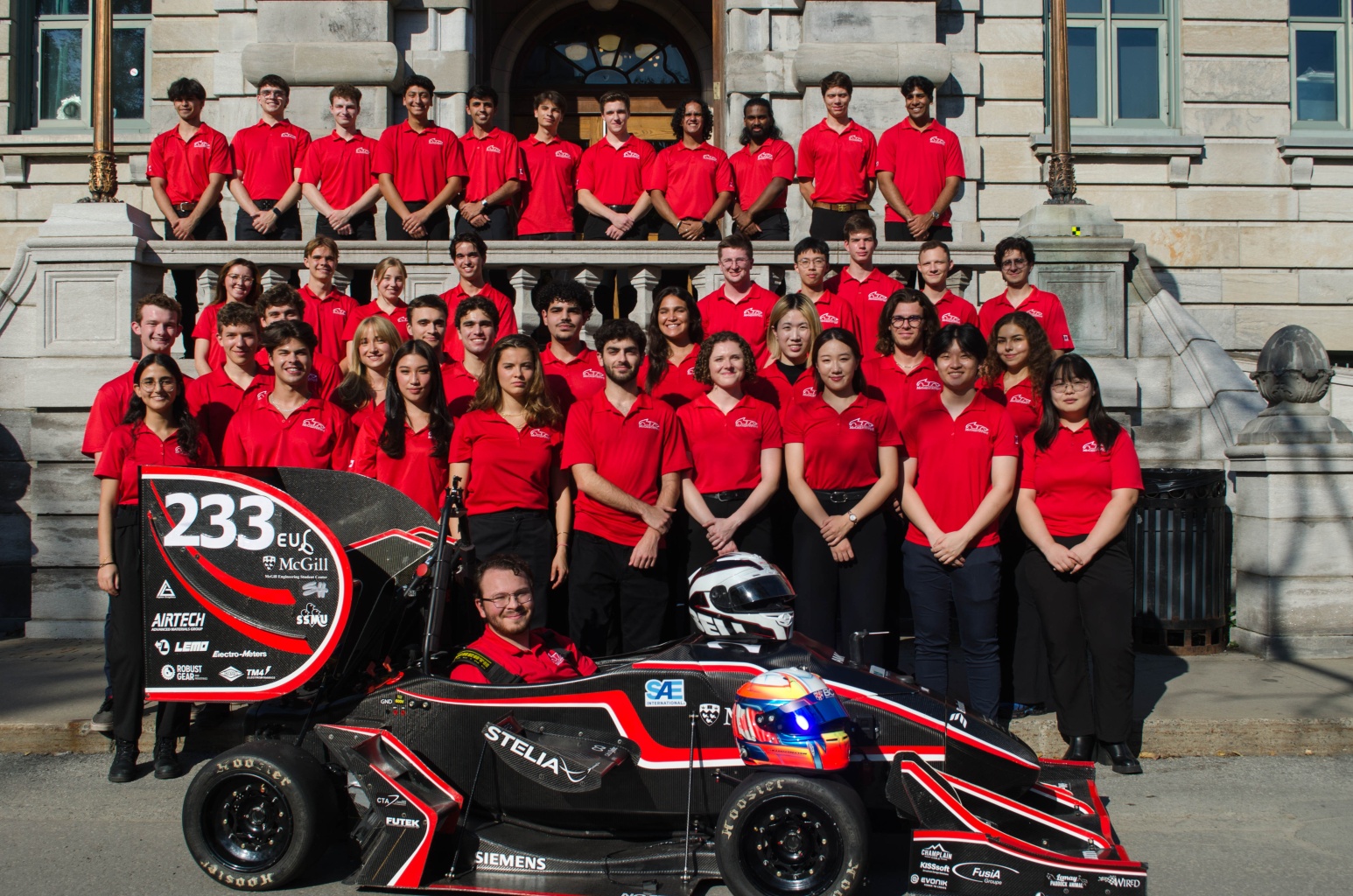
McGill Formula Electric (MFE), a student-run engineering team at McGill University in Montreal, is renowned for designing and racing high-performance electric vehicles. Competing in Formula SAE Electric, MFE ranks among North America’s top teams, achieving consistent podium finishes.
Their 2024 entry, the MFE25, aimed to redefine the boundaries of electric racing with a lighter, faster, and more efficient prototype. Equipped with a carbon fiber monocoque and advanced cooling and aerodynamic systems, the vehicle was designed to excel in a competitive environment.
Faced with the challenges of manufacturing custom components under strict time and cost constraints, MFE adopted Phrozen’s Sonic Mega 8K V2 3D printer and specialized resins (Ceramic White, Aqua 8K, and TR300). This integration of 3D printing technology played a pivotal role in achieving their ambitious goals.
Challenge #1: Cooling Jackets
To manage the 1 kW of heat generated by each of its four electric motors during operation, MFE25 required cooling jackets that could dissipate heat effectively without compromising vehicle performance.
Traditional manufacturing methods, such as Direct Metal Laser Sintering (DMLS), resulted in heavy parts with long production lead times of up to two months. These methods also lacked the flexibility for iterative design changes, limiting the team’s ability to optimize their cooling system under tight deadlines.
Solution with 3D Printing
The team leveraged Phrozen’s Sonic Mega 8K V2 3D printer and Ceramic White resin to manufacture lightweight, durable cooling jackets in-house. This setup enabled rapid prototyping and same-day testing of multiple designs, significantly reducing the iteration cycle.
Results
- Reduced production time from 1–2 months to just hours.
- Cut manufacturing costs by over 90%, saving $10,830 per part.
- Improved cooling efficiency with lightweight, precise parts.

The new cooling jackets contributed to the vehicle’s reliability and efficiency during endurance events, giving MFE a critical edge in competition.
Challenge #2: Cooling Reservoirs
The cooling system required reservoirs to maintain consistent water flow to the pumps while fitting within the vehicle’s compact design. Off-the-shelf reservoirs were incompatible due to their size and standards, while custom machining was too costly and incapable of achieving the complex internal geometries needed to optimize fluid flow.
Solution with 3D Printing
Using Aqua 8K resin and the Sonic Mega 8K V2 printer, the team designed and printed custom reservoirs tailored to their specifications. The printer’s large build volume allowed for the simultaneous production of multiple prototypes, which expedited testing and iteration cycles.
Results
- Improved water flow through optimized reservoir geometries.
- Accelerated prototyping cycles with same-day iterations.
- Reduced production costs by eliminating reliance on external machining.
The ability to quickly prototype and refine custom reservoirs allowed MFE to meet their cooling system requirements with precision and efficiency. 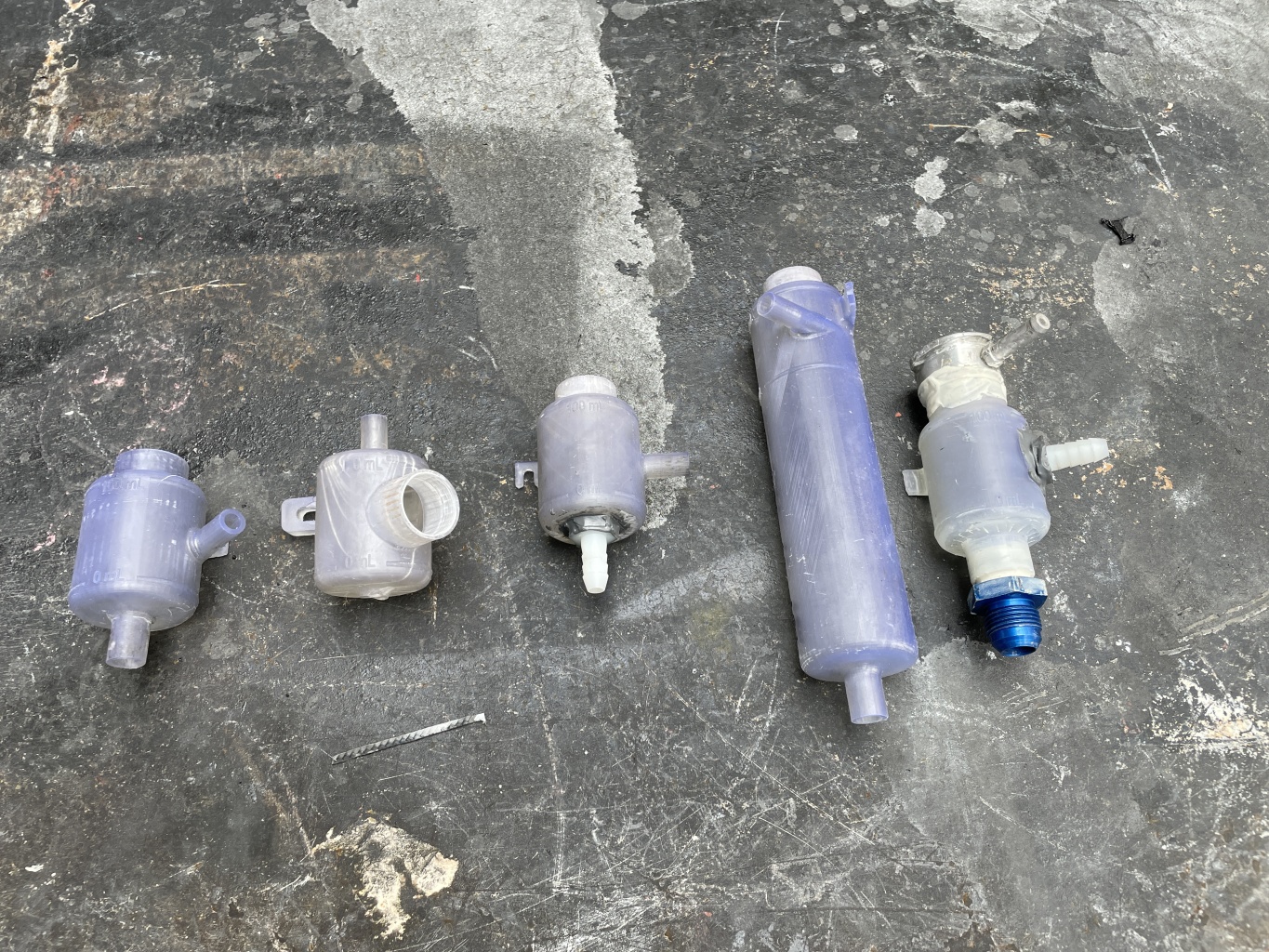
Challenge #3: PCB Enclosures
To protect sensitive electronic components, MFE needed enclosures that were lightweight, waterproof, and durable enough to withstand vibrations, impacts, and harsh racing conditions. Traditional methods, such as epoxy coatings and thick gaskets, added unnecessary weight and failed to provide the desired level of durability and integration.
Solution with 3D Printing
Phrozen’s Ceramic White resin and Sonic Mega 8K V2 3D printer enabled the team to create custom PCB enclosures with precise fits and complex geometries. SLA printing allowed for rapid iterations, ensuring that the enclosures met all requirements within tight deadlines.
Results
- Successfully passed rain tests and technical inspections.
- Achieved weight reduction while maintaining durability.
- Seamlessly integrated with other components, improving assembly efficiency.
The lightweight and waterproof enclosures ensured the electronics remained secure and functional under all conditions, contributing to the car’s overall reliability.

Challenge #4: Aerodynamic Sidewings
Aerodynamic attachments, such as the sidewing package, required precise shapes to optimize airflow and minimize drag. These components had to maintain structural stiffness while meeting tight tolerances for aerodynamic efficiency. Traditional methods like CFRP (Carbon Fiber Reinforced Polymer) fabrication were time-consuming and limited the team to simpler geometries, reducing design potential.
Solution with 3D Printing
Using the Phrozen Sonic Mega 8K V2 printer, MFE produced aerodynamic sidewing attachments with high precision and stiffness. The SLA process allowed for rapid prototyping and refinement, enabling the team to create optimized shapes for maximum airflow efficiency.
Results
- Reduced production time for aerodynamic components from weeks to days.
- Enhanced aerodynamic performance through precise geometries.
- Avoided costly CFRP fabrication processes, cutting overall costs.
The advanced aerodynamic sidewings contributed to improved vehicle speed and handling, making a significant impact on track performance.

Challenge #5: Cooling Fittings
The cooling system required fittings to integrate sensors for monitoring flow, pressure, and temperature. These fittings had to be compatible with different sensor types while ensuring tight tolerances to prevent leaks. Sourcing commercial fittings proved expensive and unreliable, often requiring modifications to achieve compatibility.
Solution with 3D Printing
By leveraging Aqua 8K resin and the Sonic Mega 8K V2 printer, MFE designed and printed custom fittings tailored to their unique requirements. SLA technology provided the precision needed to create intricate mounting features for seamless integration.
Results
- Achieved compatibility with all sensor types through custom designs.
- Enabled rapid iteration and testing to refine fitting performance.
- Significantly reduced costs compared to sourcing custom commercial fittings.
The custom fittings allowed for precise and efficient integration of monitoring systems, ensuring optimal cooling system performance during races.

Challenge #6: Coldplate Brackets
Coldplates, used for cooling the vehicle’s inverters, required mounting brackets to ensure proper alignment and structural integrity. The university’s CNC facilities had long wait times, and traditional machining materials, such as aluminum, added unnecessary weight to the vehicle.
Solution with 3D Printing
Using TR300 resin and the Phrozen Sonic Mega 8K V2 printer, MFE produced lightweight, heat-resistant coldplate brackets. The SLA process enabled quick production of functional prototypes and final parts, bypassing the need for traditional machining.
Results
- Reduced part weight compared to aluminum alternatives.
- Minimized lead times, with brackets ready within hours.
- Improved thermal resistance and durability through advanced resin materials.
The lightweight brackets enhanced the coldplate’s performance while contributing to the team’s overall weight reduction goals.

Challenge #7: Scale Models for Aerodynamic Testing
Aerodynamic testing required detailed scale models of the car for wind tunnel analysis. Full-scale wind tunnels were unavailable, making precise scale models essential for accurate testing. However, creating these models traditionally involved long production times and high costs, limiting the team’s ability to refine designs.
Solution with 3D Printing
The Sonic Mega 8K V2 printer enabled the team to produce highly detailed scale models using Ceramic White resin. These models were accurate enough for wind tunnel testing, providing valuable insights into airflow and drag reduction.
Results
- Enabled multiple rounds of wind tunnel testing with detailed models.
- Validated aerodynamic performance before committing to full-scale designs.
- Accelerated design refinement through rapid prototyping.
The scale models helped the team optimize the MFE25’s aerodynamics, ensuring peak performance on the track.
Behind-the-Scenes
Behind the scenes, McGill Formula Electric found that 3D printing technology fundamentally changed the way they approached vehicle design and manufacturing. By adopting Phrozen’s Sonic Mega 8K V2 printer, the team eliminated delays caused by reliance on external vendors and long lead times. In-house prototyping enabled faster testing cycles, allowing the team to refine their designs with unprecedented speed and accuracy.
The ability to iterate rapidly gave MFE a significant advantage over competitors who were still waiting for parts to arrive during critical phases of the competition. With their components completed and fully tested ahead of schedule, the team had time to optimize their vehicle's overall performance, ensuring their readiness for Formula SAE Michigan.
This newfound flexibility also fostered collaboration within the team, as engineers from different subsystems could experiment with innovative ideas and test solutions without being constrained by traditional manufacturing bottlenecks.

Final Outcome
McGill Formula Electric’s use of 3D printing was instrumental in the development and success of the MFE25. By leveraging Phrozen’s advanced printing technology, the team overcame significant manufacturing challenges, including the production of lightweight cooling systems, durable electronic enclosures, and precise aerodynamic components.
The ability to prototype, test, and iterate quickly enabled MFE to create a vehicle that performed exceptionally in dynamic events while meeting the rigorous design standards of Formula SAE. The MFE25’s reliability and efficiency allowed the team to achieve top-tier performance, securing their position as one of North America’s leading Formula Electric teams.
Key Benefits of 3D Printing for McGill Formula Electric
- Time Savings. Reduced production times from weeks or months to mere hours, accelerating the development cycle.
- Cost Reduction. Avoided the high expenses associated with traditional manufacturing, saving over 70% on component costs.
- Enhanced Precision. Achieved high tolerances and intricate designs with SLA technology, ensuring optimal component performance.
- Design Flexibility. Enabled rapid iterations and creative solutions, fostering innovation and collaboration.
- Independence. Minimized reliance on external vendors and machining facilities, allowing the team to maintain complete control over their workflow.
Looking Ahead: The Future of 3D Printing in Formula Racing
The success of McGill Formula Electric highlights the transformative potential of 3D printing in competitive automotive design. By integrating advanced 3D printing technology into their workflows, the team has not only streamlined their manufacturing process but also unlocked new opportunities for innovation.
As MFE continues to push the boundaries of electric racing, they plan to explore even more advanced applications of 3D printing, such as incorporating new resin materials and optimizing structural components for future prototypes. This commitment to leveraging cutting-edge technology ensures that MFE remains at the forefront of the Formula SAE Electric competition.
The experience of McGill Formula Electric demonstrates that 3D printing is not just a manufacturing tool—it is a catalyst for innovation and excellence in high-stakes environments like competitive racing.
Conclusion
McGill Formula Electric’s journey with 3D printing underscores the profound impact of this technology on their design and manufacturing process. By using Phrozen’s Sonic Mega 8K V2 printer and specialized resins, the team overcame critical challenges, reduced costs, and delivered a vehicle that excelled in competition.
For businesses and teams looking to optimize their product development processes, 3D printing offers unparalleled advantages in speed, precision, and flexibility. McGill Formula Electric’s success is a testament to how embracing this technology can drive performance, innovation, and success.