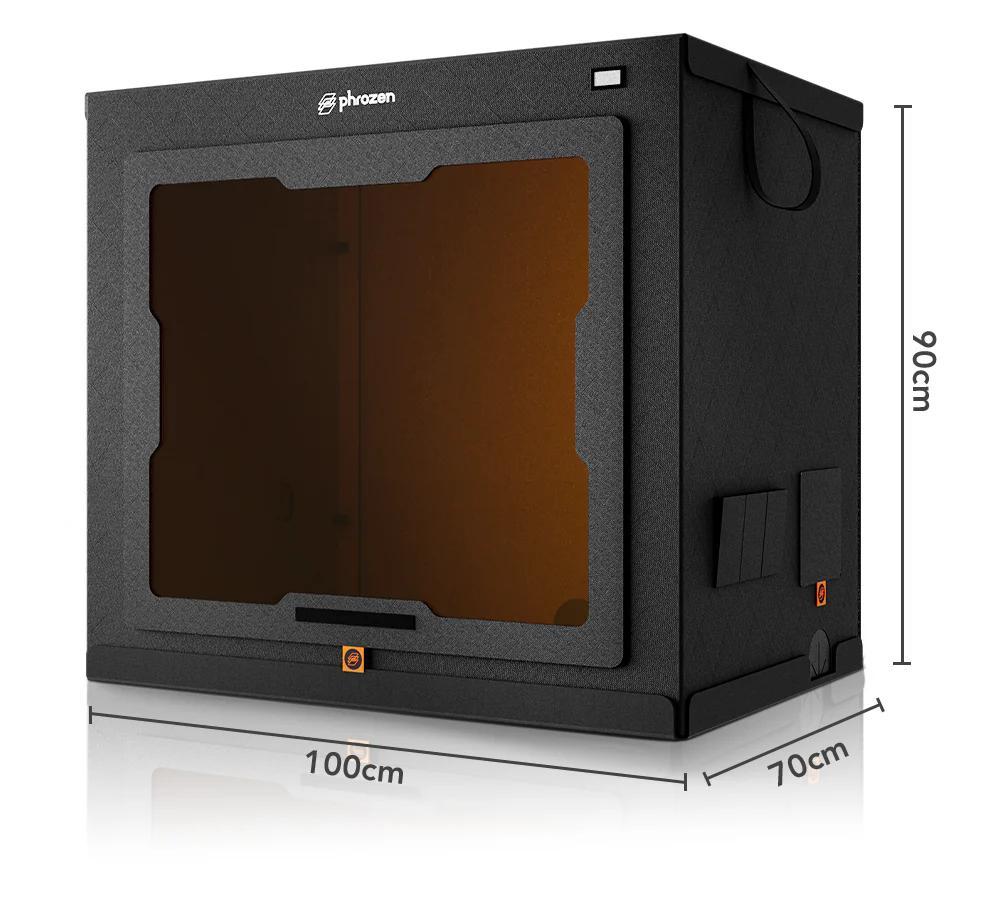
In the EV927 electric race car project, the NTUST racing team designed a battery module mounting bracket. The material had to meet three requirements at once: UL-recognized flame-retardant performance, low weight, and compatibility with the team’s existing resin printer. FR940, Asia’s first photopolymer flame-retardant resin to receive UL 94 V-0 Blue Card recognition, met all three. Paired with the Sonic Mega 8K V2 industrial 3D printer, the team was able to quickly revise designs and reprint parts the same day, no tooling changes required, significantly shortening the prototyping and testing cycle for the battery mount.

Build a Flame-Retardant, Lightweight EV Battery Mount Faster and at Lower Cost
“We needed a battery mount that could meet flame-retardant safety requirements without adding so much weight that it slowed the car down. FR940 delivered both: a recognized flame-retardant rating and a density that met our race car weight targets, helping EV927 stay competitive on the track.” — NTUST Formula Team, 2023 FSAE Australasia, Australia
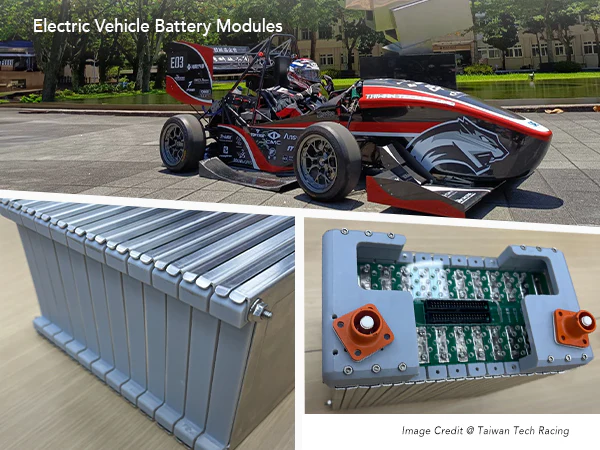
Real-World Applications of FR940 Flame-Retardant Resin
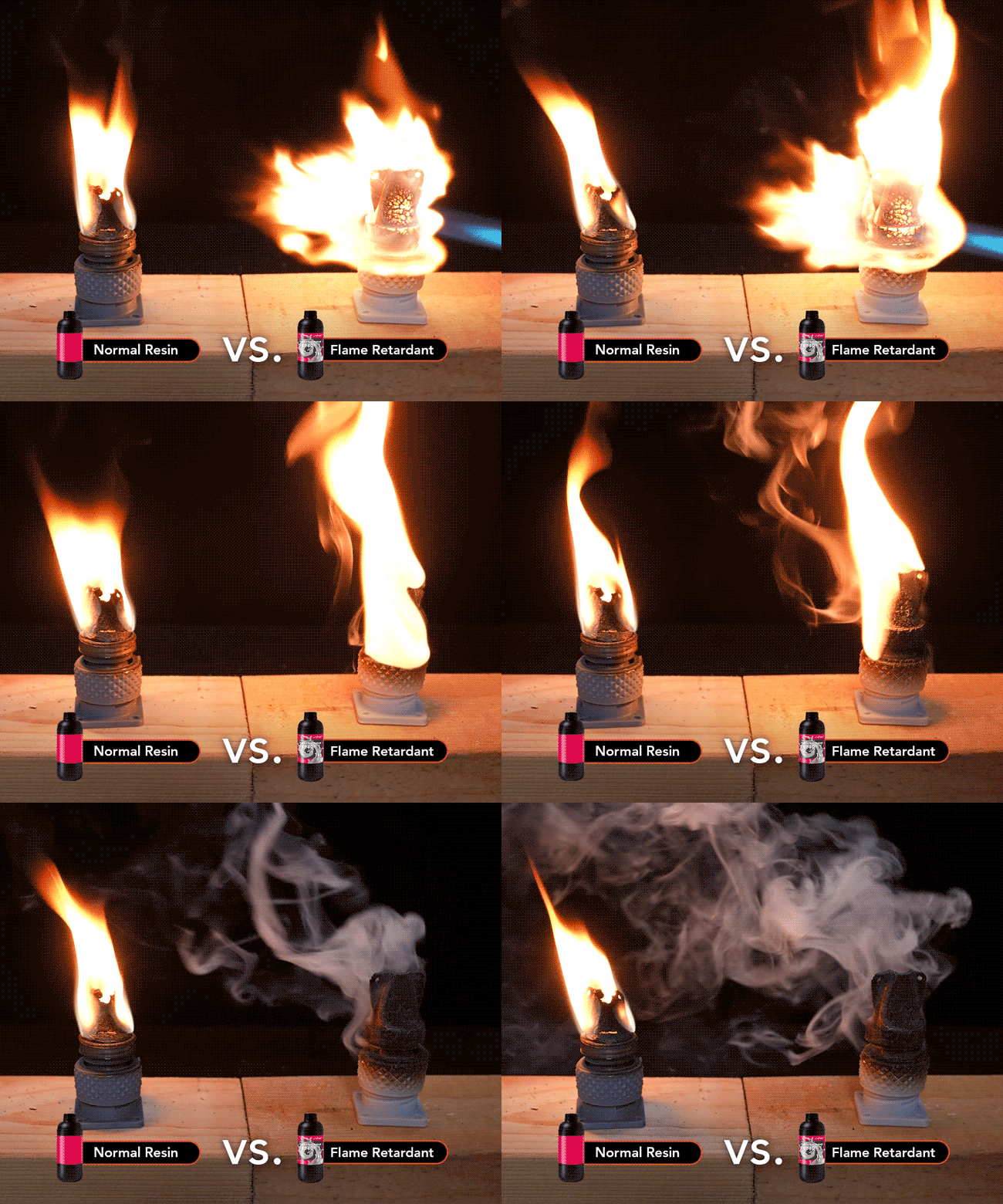
Self-Extinguishes Within 10 Seconds After Flame Removal, Based on Verified Test Data
Standard resins keep burning once ignited, FR940 doesn't. Remove the flame source and it self-extinguishes within 10 seconds, with no dripping or continued burning. This result comes from UL laboratory testing, not a manufacturer claim. Anyone can verify this directly in UL Product iQ by searching QMTC2.E535425. It is ideal for parts near power sources, such as electronic housings, connectors, and BMS enclosures.
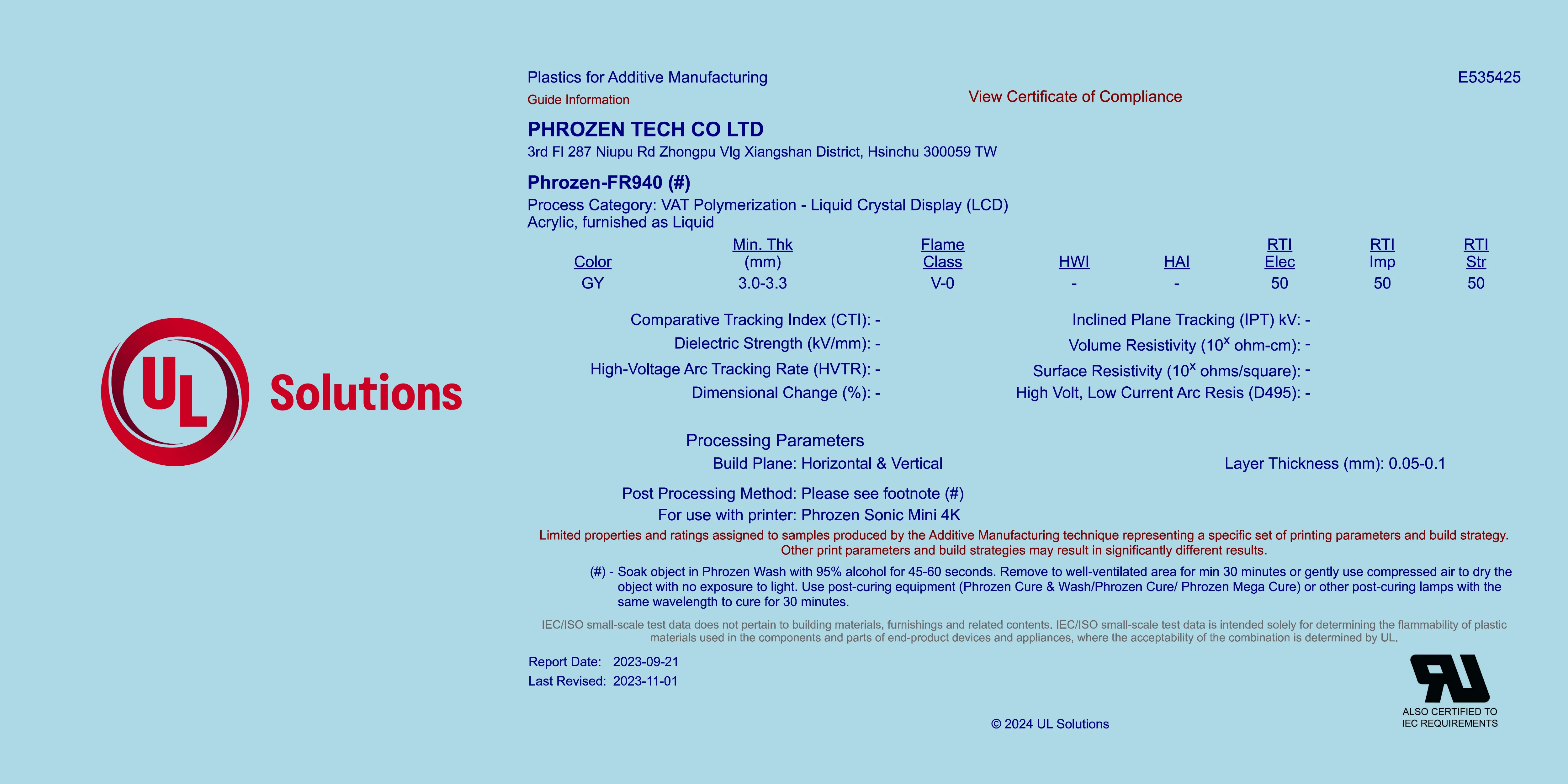
A Blue Card You Can Verify, Not Just a Claim
Plenty of materials claim UL 94 V-0 compliance, but what actually matters during procurement and customer review is whether that claim has a formal, verifiable record behind it. FR940 does. Its UL 94 V-0 Blue Card is on file and publicly searchable in UL Product iQ. Anyone can look up QMTC2.E535425 directly. That means once your prototype is done, you're not spending extra time explaining the material's background or waiting for a supplier to send over a vague test report.
Switch to a Flame-Retardant Material Without Being Locked Into Dedicated Equipment
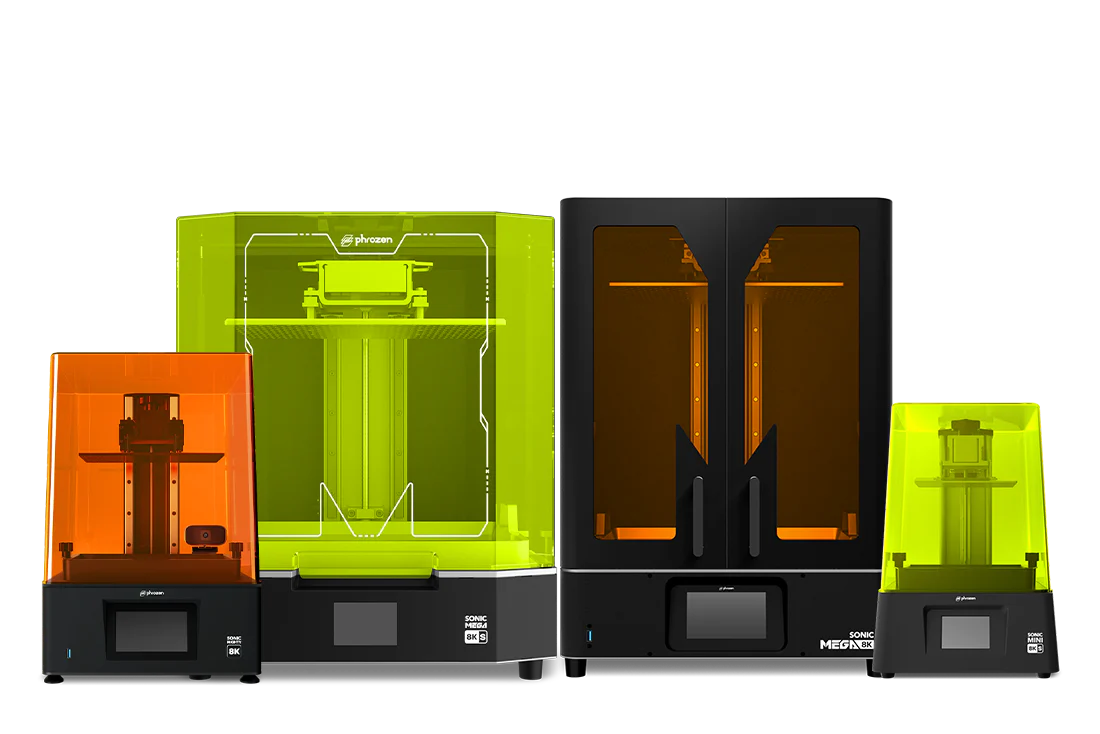
Many certified flame-retardant materials require specialized or industrial-grade printing systems. FR940 works with most 405 nm MSLA printers, so you can produce functional flame-retardant prototypes using your existing equipment instead of replacing your entire setup for a single project.
Blue Card Recognition at a Lower Cost
Share information about your brand with your customers. Describe a product, make announcements, or welcome customers to your store.
From Electronics OEMs to Print Service Providers, Flame-Retardant Prototyping Often Stalls During Material Review
The Sample Is Finished, but the Customer Rejects It During Material Review
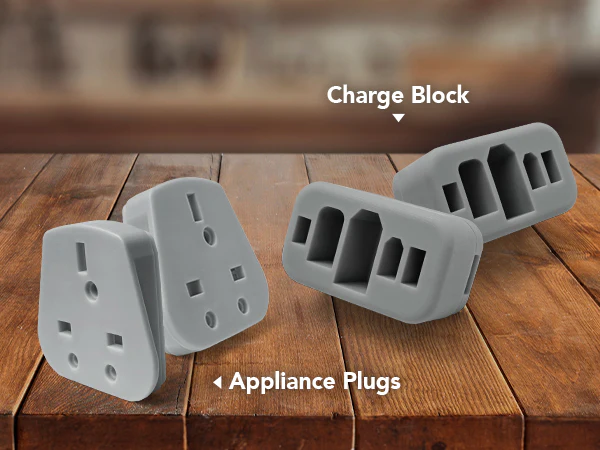
You're not delivering a housing that just looks the part. You're delivering a functional prototype that's ready for review. In projects such as PCB housings, power module covers, connector housings, and BMS enclosures, a finished sample without formal flame-retardant documentation usually leads to more paperwork, a material change, and another round of prototyping. FR940 lets you complete prototyping on your existing 405 nm LCD/MSLA printer while also providing UL 94 V-0 Blue Card documentation, so both the part and the review process can move forward together.
Got a Request to Print Electronic Housings, but Not Sure You Can Take the Job?
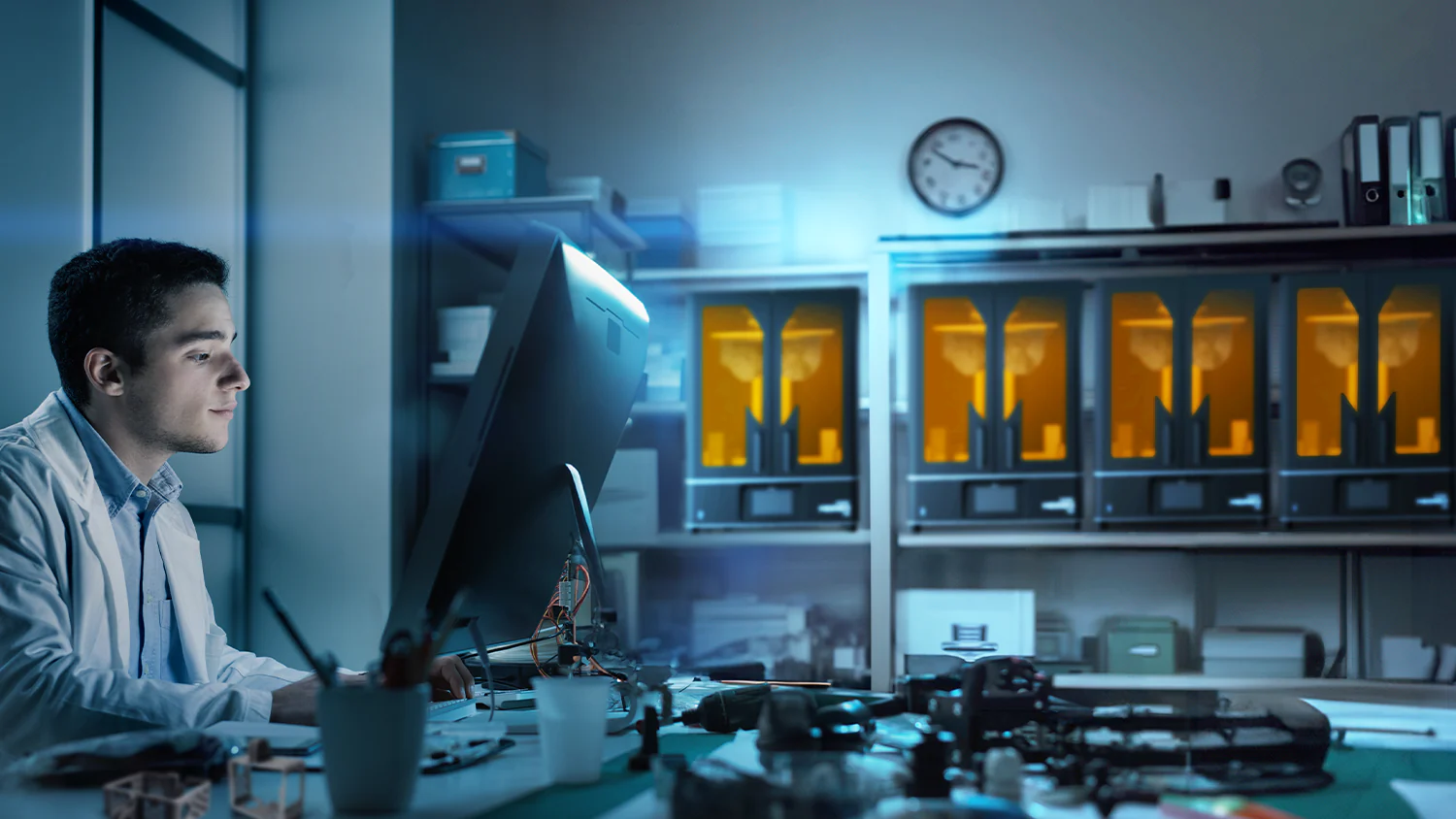
For 3D print shops, taking on electronic housing jobs is absolutely within reach. What often prevents them from moving forward is incomplete or unverifiable material documentation. Without verifiable flame-retardant recognition, these projects may fail at the quoting stage, or customers may take the project to another supplier. FR940 lets you take on these jobs using your existing 405 nm LCD/MSLA equipment, so you can accept orders more confidently.
Not All Flame-Retardant Claims Are Equal
The Differences Between Three Flame-Retardant Options Become Clear During Procurement Review

FAQ
What is a UL 94 V-0 Blue Card, and why does it matter?
A Blue Card is an official UL component recognition record under UL Component Recognition. It means the material has been entered into UL's recognized component system, with a public record that anyone can verify in UL Product iQ. Search QMTC2.E535425 to find Phrozen FR940's listing directly. Important note: Blue Card recognition applies to the material formulation; it does not mean the final part is automatically compliant. Final parts still require application-level testing based on the actual geometry, thickness, post-processing conditions, and applicable product standard.
Does FR940 work with non-Phrozen printers?
Yes. FR940 is compatible with most 405 nm LCD and MSLA printers. For best results, exposure settings should still be fine-tuned based on the printer model, light source intensity, and layer thickness. Most users can achieve stable results within two or three test prints. For Phrozen printers, complete print settings are available for download from the official website.
What types of parts is FR940 suitable for?
FR940 is primarily used for functional prototypes that require flame-retardant documentation. The most common applications include electronic housings, power module covers, connector housings, and BMS enclosures. These parts are typically located near power sources, need to meet flame-retardant safety requirements, and maintain a basic level of dimensional accuracy. FR940 offers good rigidity, with a Shore D hardness of 75–80 and a tensile modulus of 1812 MPa, making it suitable for static, load-bearing structural parts. FR940 is a brittle material, so if your part design includes snap fits, flexing of thin walls, or repeated deformation under stress, structural design measures such as thicker walls, added ribs, and avoiding sharp corners and other stress concentration points are recommended to reduce the risk of brittle fracture.
What post-processing does FR940 require?
The standard post-processing workflow has two stages. First, wash the part with Phrozen Wash or 95% ethanol for 45–60 seconds. Do not soak it for more than 60 seconds. After washing, let the part rest for 30 minutes, then UV-cure it for 60 minutes. If an HDT of 82.8°C or higher mechanical strength is needed, follow this with thermal curing at 80°C for 2 hours. Even without thermal curing, the flame-retardant properties are already established once UV post-curing is complete.
Is FR940's 59.8°C HDT sufficient for my application?
FR940 has an HDT of 59.8°C at 0.45 MPa (ASTM D648). For continuous use, keeping the actual operating temperature below 55°C is the more conservative approach. It is suitable for applications that stay within that range under normal operating conditions.
If the part will remain close to battery cells, motors, or other heat sources for extended periods, a more heat-resistant material should be considered. In those cases, the following materials may be more suitable:
1. FR940
HDT after UV cure: 59.8°C
HDT after thermal post-cure: 82.8°C
Typical applications: electronic housings, connectors, and BMS enclosures
2. PC/GF-Like
HDT after UV cure: 65°C
HDT after thermal post-cure: 95.6°C
Typical applications: medium-temperature structural components
3. TR300
HDT after UV cure: 65°C
HDT after thermal post-cure: 160°C
Typical applications: high-temperature functional parts and components used near motors
4. Ceramic Pro
HDT after UV cure: 181.8°C
HDT after thermal post-cure: >230°C
Typical applications: molds and extreme-temperature tooling
How does FR940 compare with Formlabs' FR Resin?
Both materials carry UL 94 V-0 Blue Card recognition. The main differences fall into three areas:
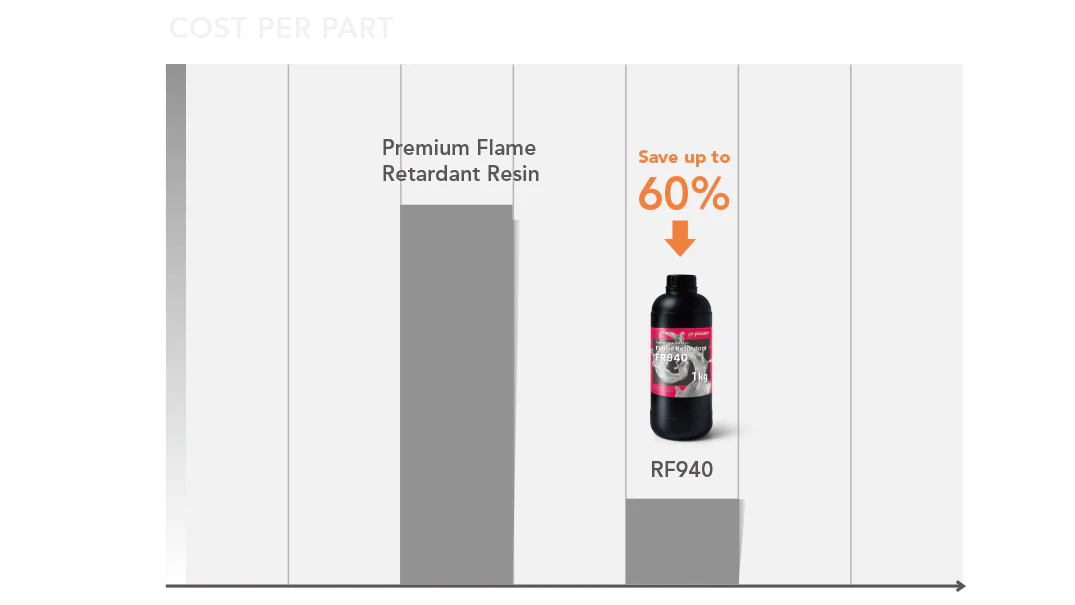
- Cost: Phrozen FR940 has a lower material cost, making total prototyping costs easier to control while maintaining the same level of UL 94 V-0 Blue Card recognition.
- Equipment compatibility: FR940 works with most 405 nm LCD/MSLA printers, while Formlabs FR Resin is primarily used with Formlabs printers.
- Mechanical performance: Formlabs FR Resin offers higher heat resistance and stronger mechanical performance. If your part requires greater thermal or mechanical performance, Formlabs is a reasonable choice. If you need Blue Card documentation without being tied to proprietary printing hardware, FR940 offers more flexibility.
Does using FR940 mean the final product will automatically pass certification?
Not necessarily. FR940's Blue Card recognition applies to the material formulation only. It does not mean the final part, module, or complete product is automatically covered by the same certification status. For prototyping and sample submission, however, it lets you validate prototypes using a material with verifiable documentation. That helps customer review, procurement, regulatory review, and internal approval move forward more smoothly. It also gives your team a stronger basis for subsequent product validation and material selection.
Recommended Accessories
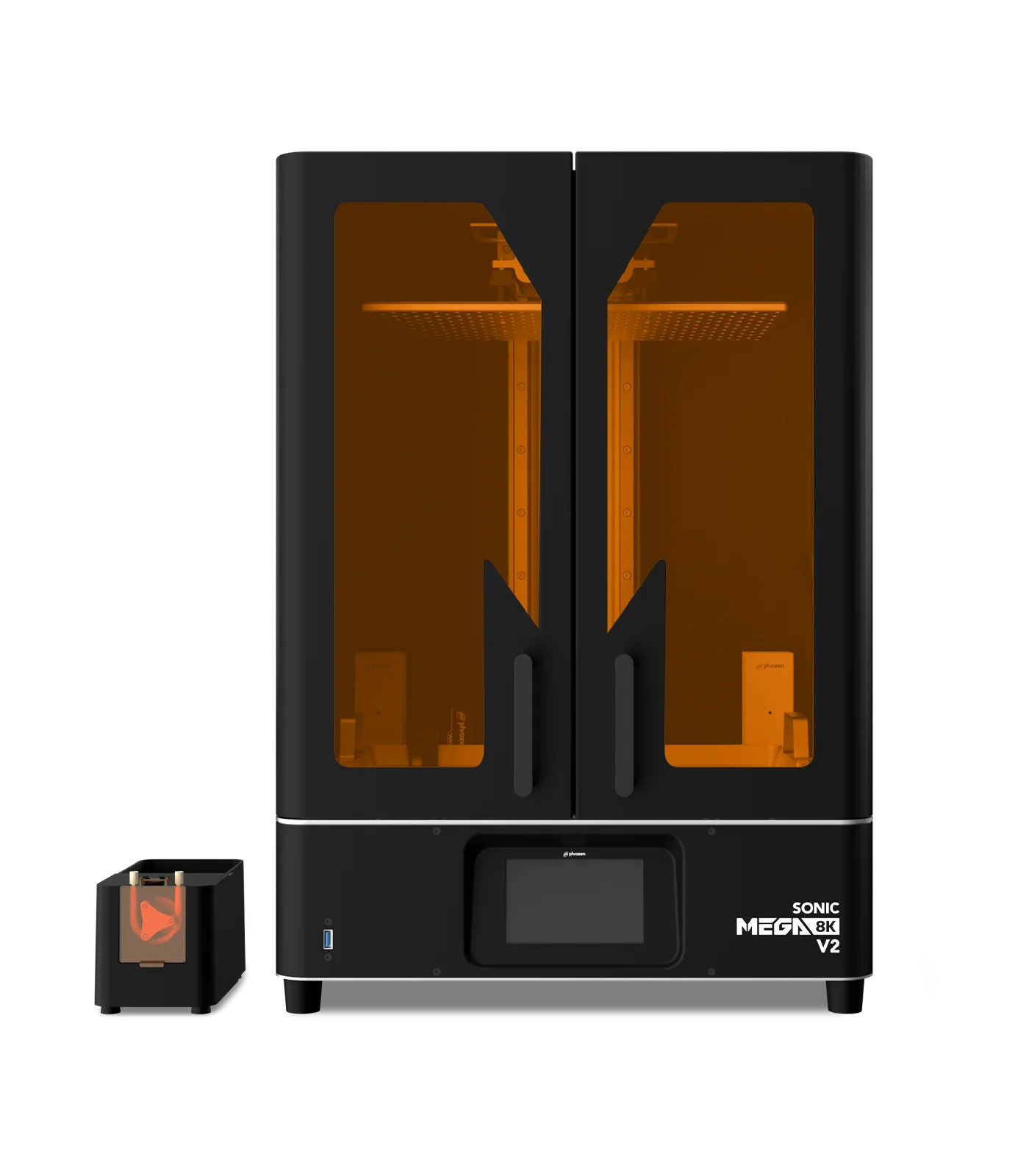
Phrozen Sonic Mega 8K V2
The Sonic Mega 8K V2 is built for design validation and prototype production. Its all-metal body and stable structure support long, continuous print runs, making it especially well suited for OEM prototyping of electronic products, functional validation, and batch production for print service providers. When paired with FR940 Flame-Retardant Resin, the Sonic Mega 8K V2 can significantly shorten the prototyping cycle.
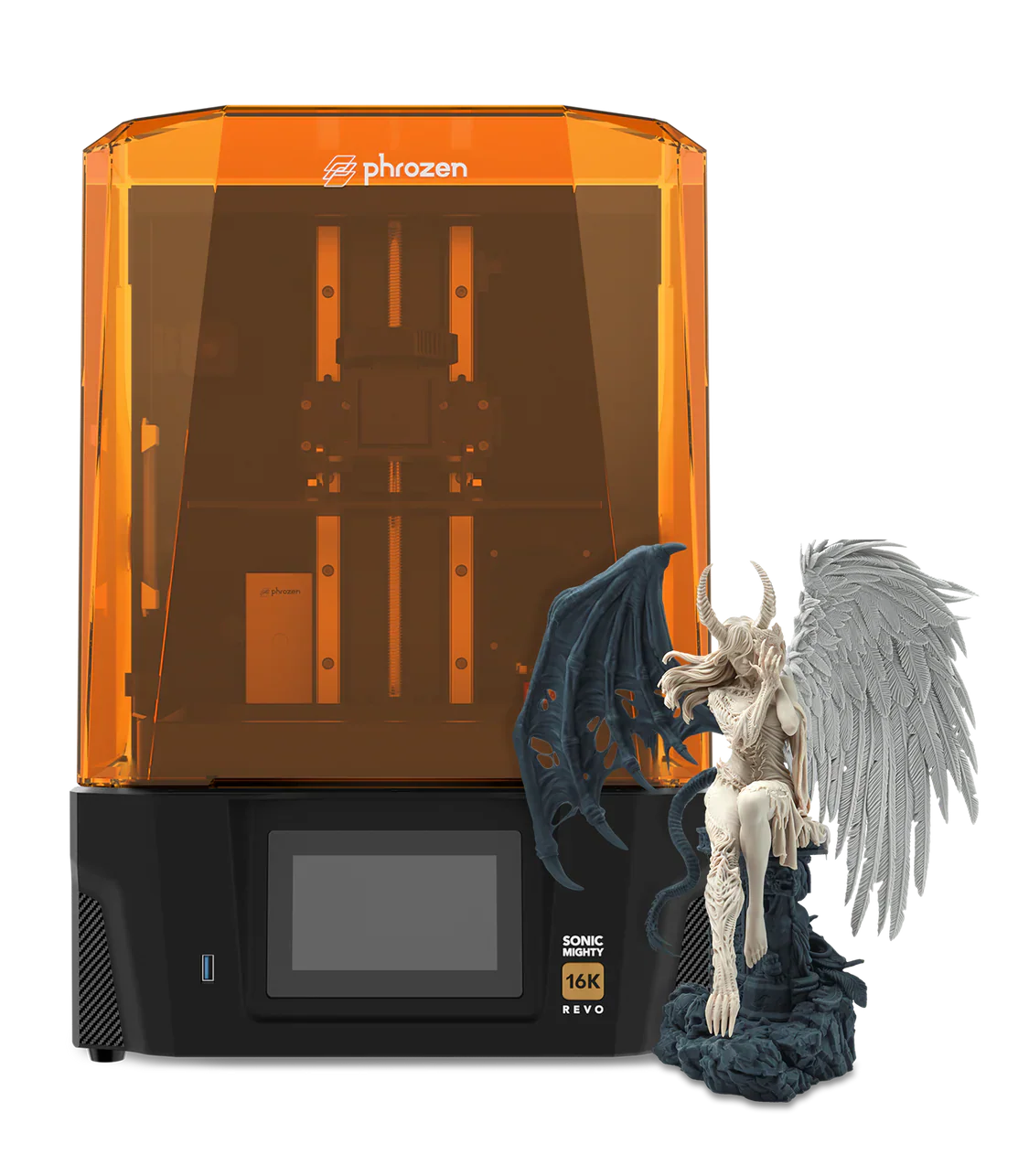
Phrozen Sonic Mighty Revo 16K
The Phrozen Sonic Mighty Revo 16K is a mid-sized resin 3D printer with 16K resolution at 14 × 19μm. Designed for miniature painters, jewelry designers, and small studios, it is also a practical option for independent 3D printing service providers. Features such as a 30°C chamber heater, dual smart print failure detection, one-tap bed leveling, and GO App remote management help streamline daily production. When customers require flame-retardant documentation for specific projects, pairing the Revo 16K with FR940 gives both providers and their clients greater confidence during the review process.
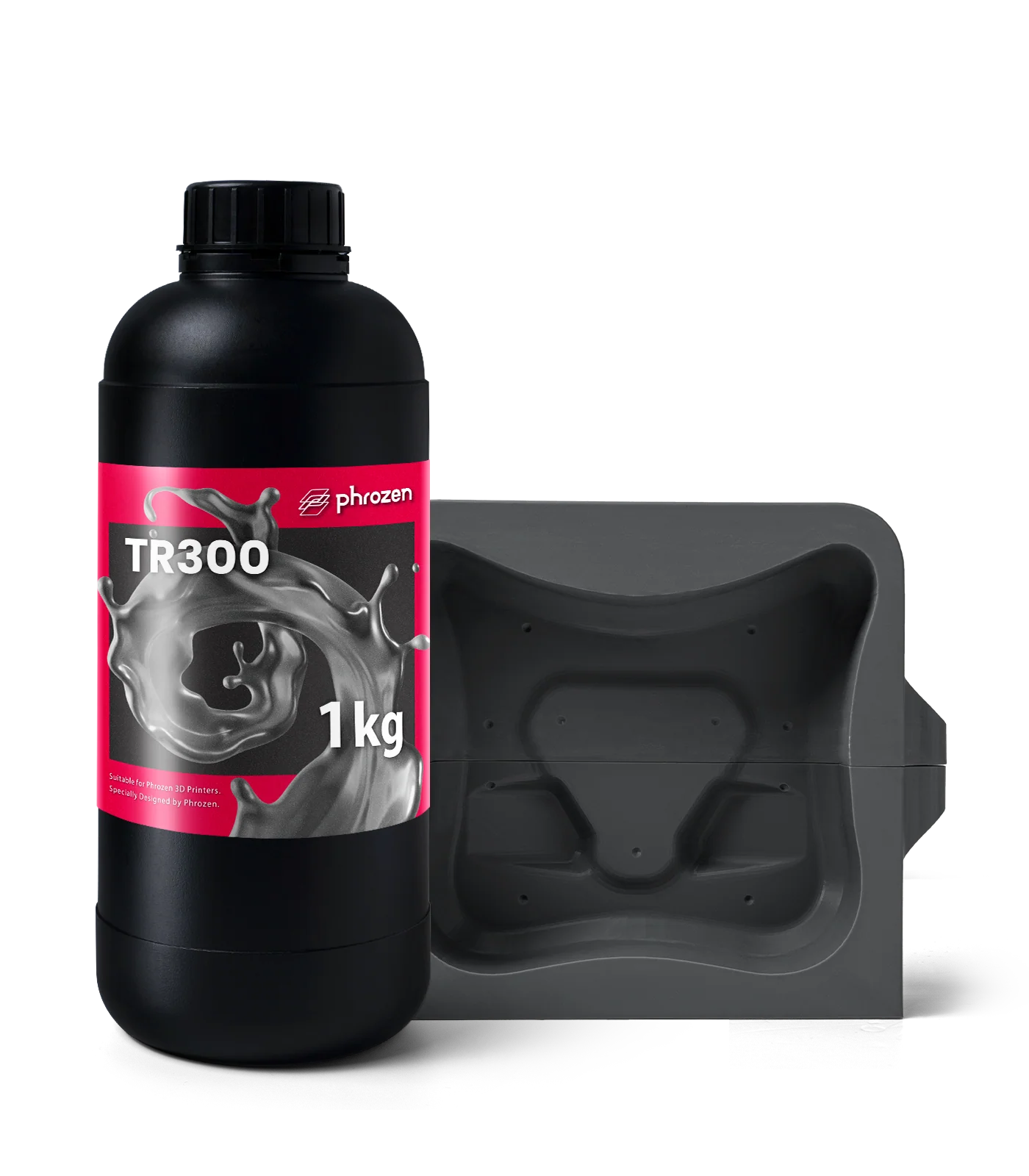
Phrozen High-Temperature Resins
FR940 has an HDT of 59.8°C; for continuous use, keeping the operating temperature below 55°C is recommended. For parts located near motors or other heat sources, there are three material upgrade paths depending on the required temperature range: PC/GF-Like (HDT 65–95°C) for mid-temperature structural parts, TR300 (HDT 160°C) for high-temperature functional parts, and Ceramic Pro (HDT 181.8°C after UV cure and over 230°C after thermal curing) for molds and extreme-temperature tooling. All four materials can be used on the same machine by simply changing resins, with no need for separate printing hardware.