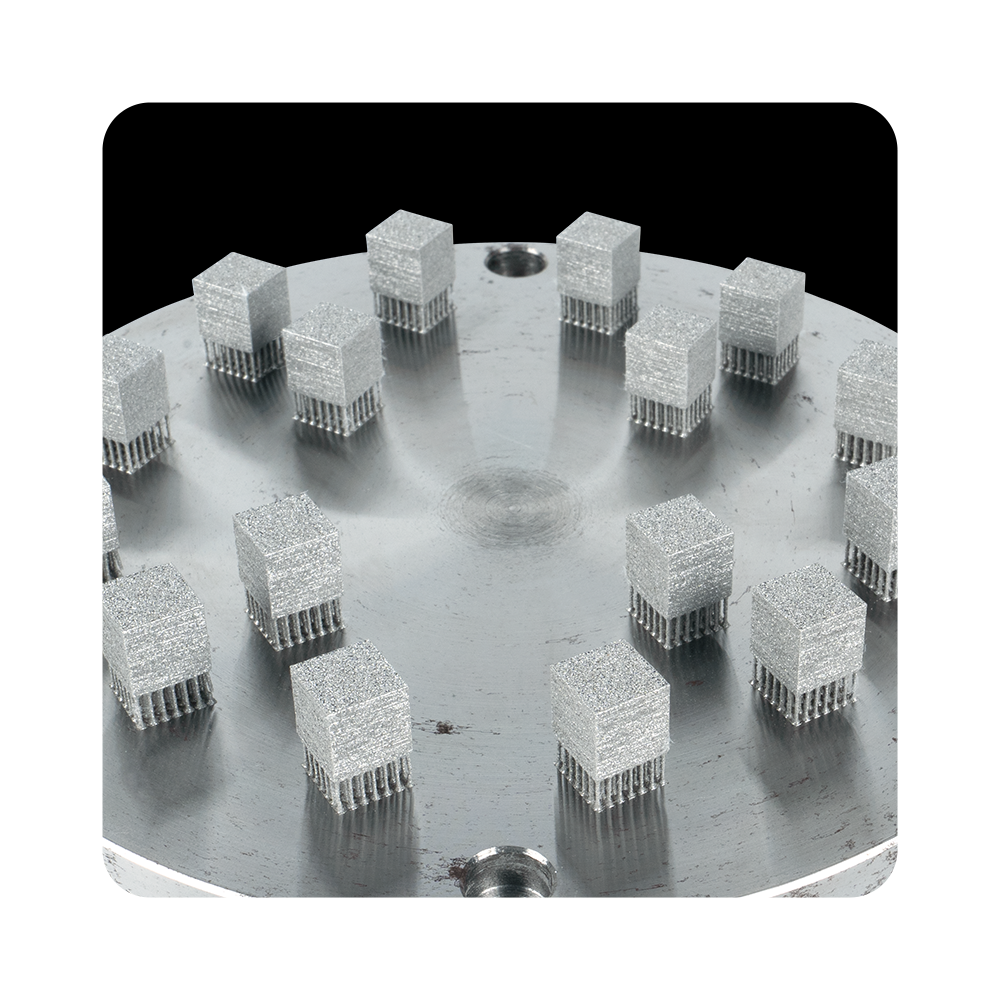
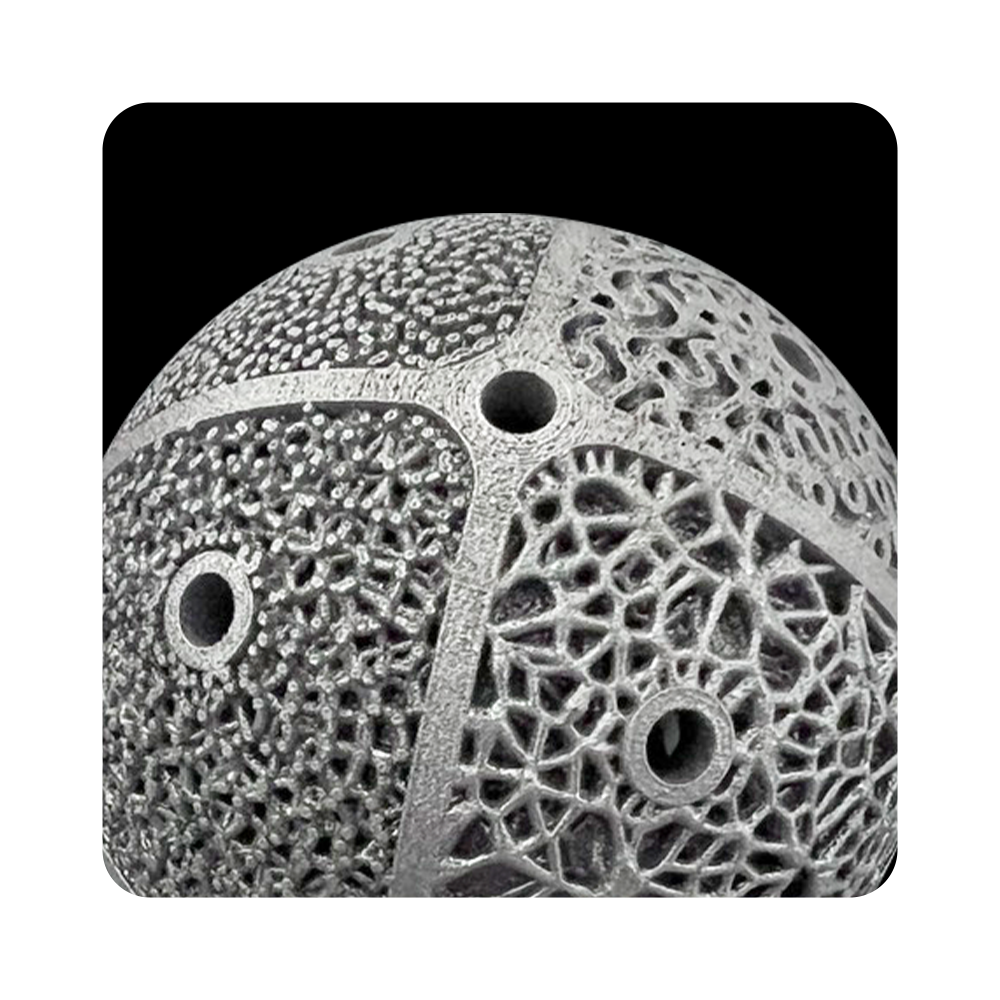
We help engineering teams turn complex metal concepts into parts they can actually test. We provide design for additive manufacturing (DfAM) support, metal additive manufacturing (metal AM) prototypes, and low-volume pilot production.

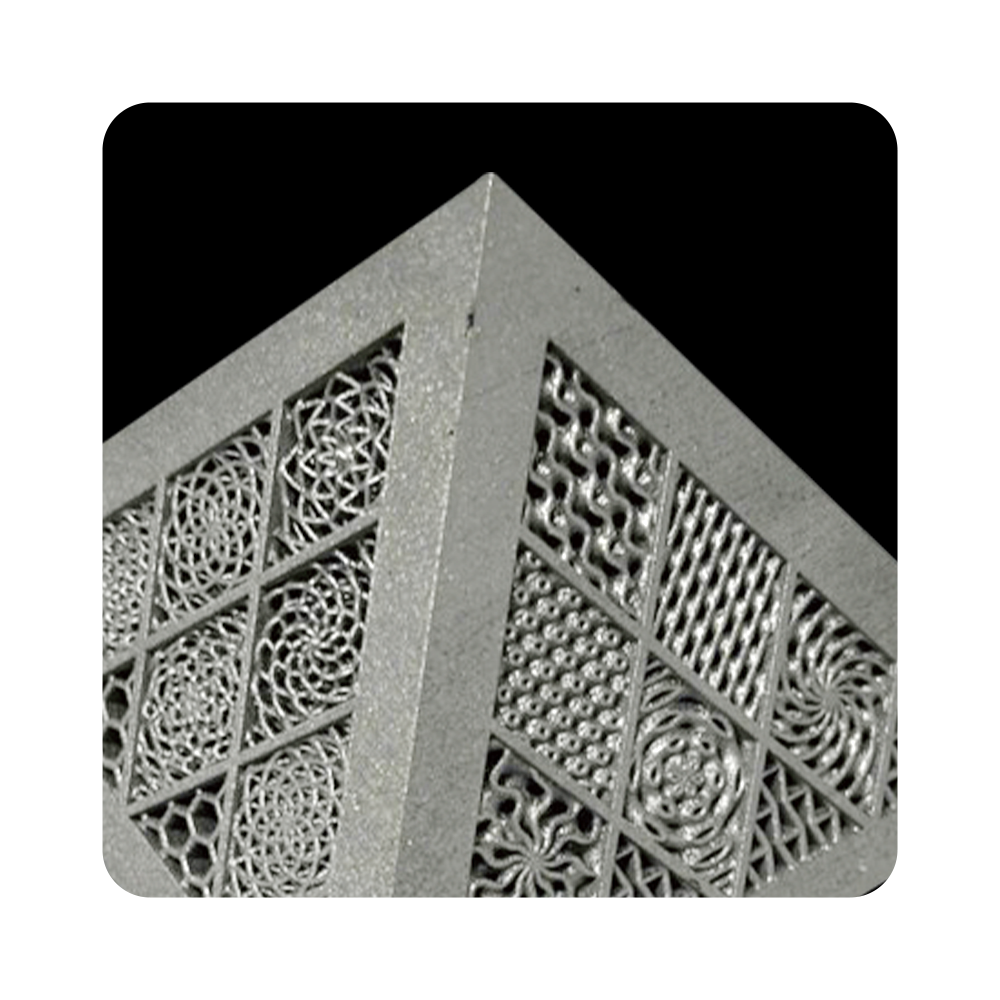
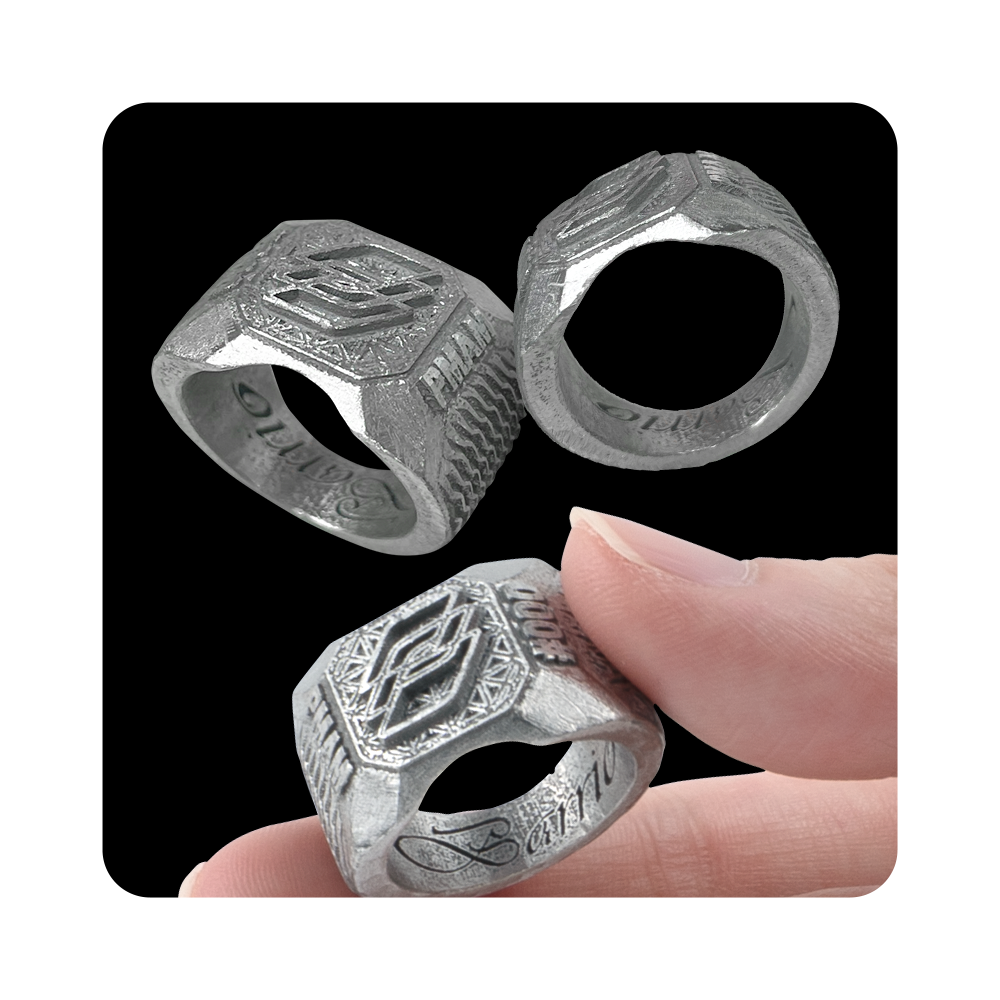
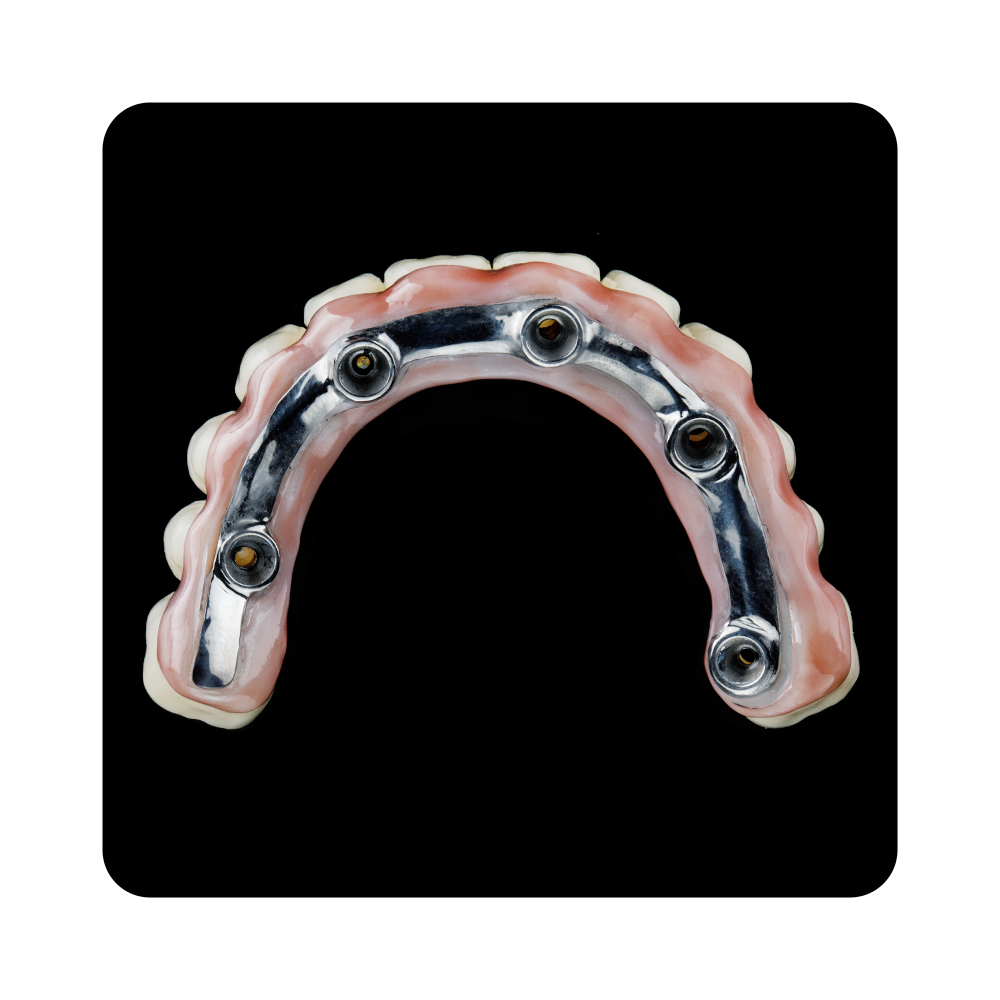
We work on AI thermal components with internal flow channels, semiconductor fixtures, lattice and topology-optimized structures, and custom metal parts for dental, jewelry, and industrial applications.

If your design is still being developed, going through revisions, or ready for its first small batch, we can help you evaluate what is feasible.

Applications We Support

AI Thermal Management

Semiconductor

Industrial

Jewelry

Medical

Where Conventional Machining Runs Out of Room

  • Print One Part Instead of Assembling Multiple Pieces

    We help consolidate complex assemblies into single metal parts, including internal flow channels, thin walls, and lattice structures that are difficult or impossible to machine with CNC.

  • From CAD File to a Part You Can Test

    We combine DfAM support with Laser Powder Bed Fusion (L-PBF) to turn digital concepts into metal prototypes that teams can test and refine.

  • Iterate First, Commit Later

    We help teams use single-part builds and low-volume pilot runs to validate geometry, material choice, and performance before committing to mass production.
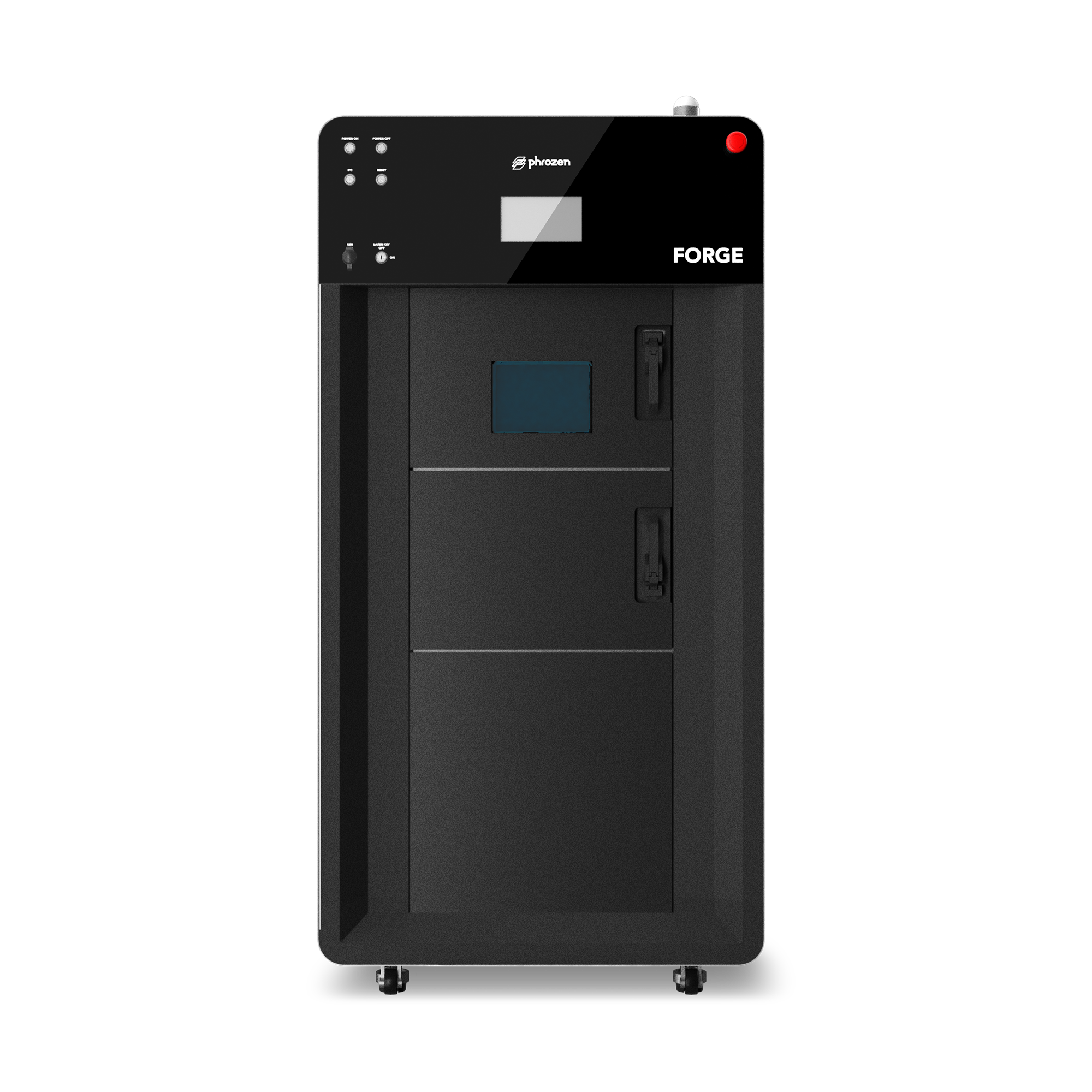

  • FORGE Core Capabilities​

    300 W IPG Laser

    Delivers steady energy for even, repeatable melting across metal powders.

    50 μm Laser Spot

    Resolves fine contours for microchannels, thin walls, and lattice structures.

    L-PBF Process

    Fuses each layer into the one below, so complex geometry comes out as a single piece, including topology-optimized parts, conformal cooling channels, and heat exchangers.

    How We Work: From Concept to First Build

    Assess

    1. Assess

    We review your application, material, and geometry to see whether metal AM is the right fit.

    Design

    2. Design

    We provide DfAM support and adjust your model so it can be built.

    Build

    3. Build

    We print your design as a real metal part.

    Refine

    4. Refine

    You test it. We adjust the design and process for the next round.

    Scale

    5. Scale

    Move into low-volume production with us, or bring a FORGE system in-house.

    Supported Metal Materials

    We currently support Cobalt-Chromium-Molybdenum (CoCrMo) and Titanium Grade 5 (Ti-6Al-4V) applications. Additional materials can be evaluated based on part design, material requirements, and process constraints.

    Cobalt-Chromium-Molybdenum (CoCrMo)

    A hard, high-strength alloy that resists wear, corrosion, and heat. It is often used for applications that require dimensional stability and structural integrity under heavy wear, high pressure, or harsh chemical exposure.

    Titanium Grade 5 (Ti-6Al-4V)

    It offers a high strength-to-weight ratio, fatigue resistance, low thermal expansion, and fracture toughness — roughly 45% lighter than steel at comparable strength. It is a common choice for weight-sensitive and high-stress applications where strength and reduced weight both matter.

    AI Thermal Management

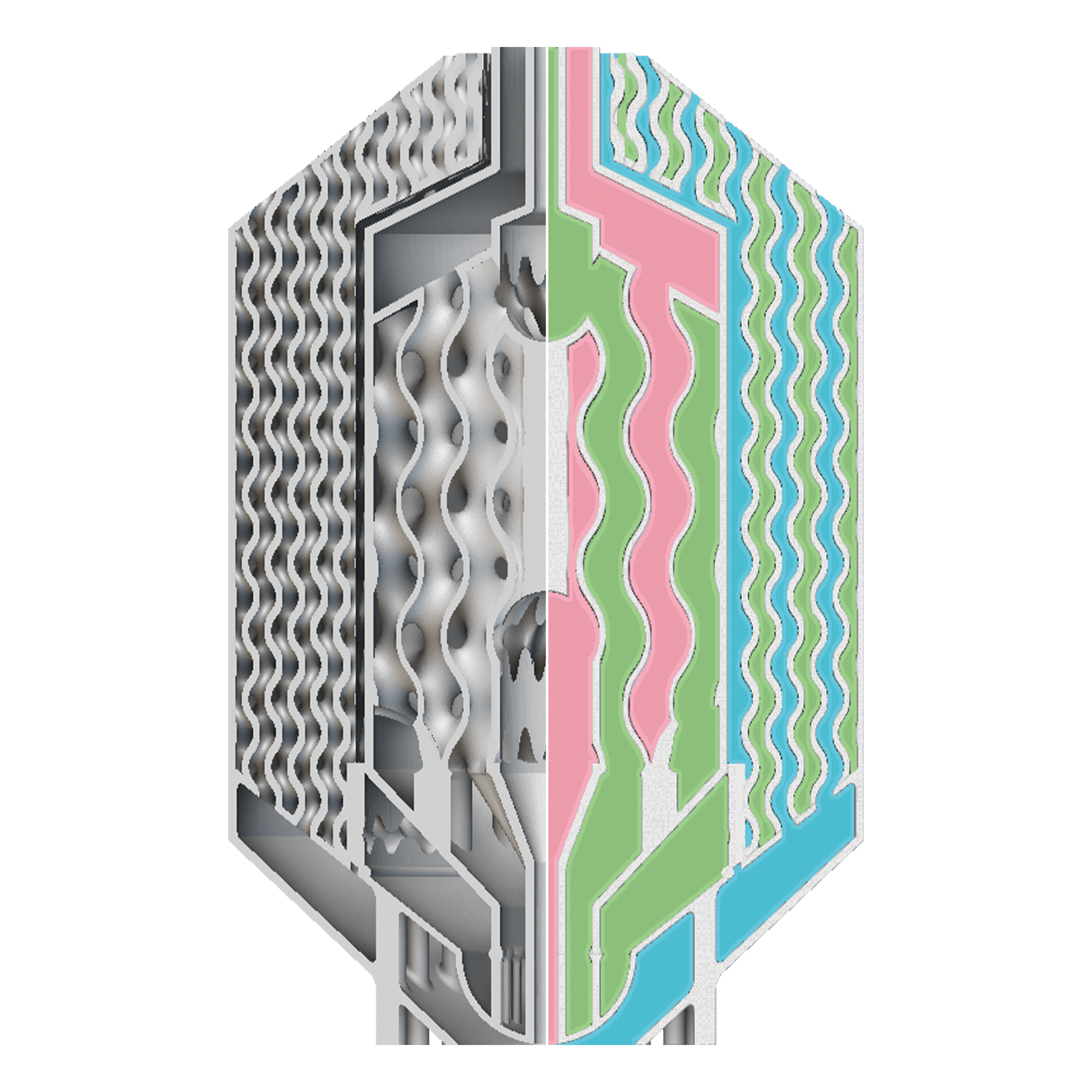
    AI hardware teams are pushing more heat through tighter spaces. We help turn early cooling concepts into metal prototypes that can be tested before tooling or production decisions.

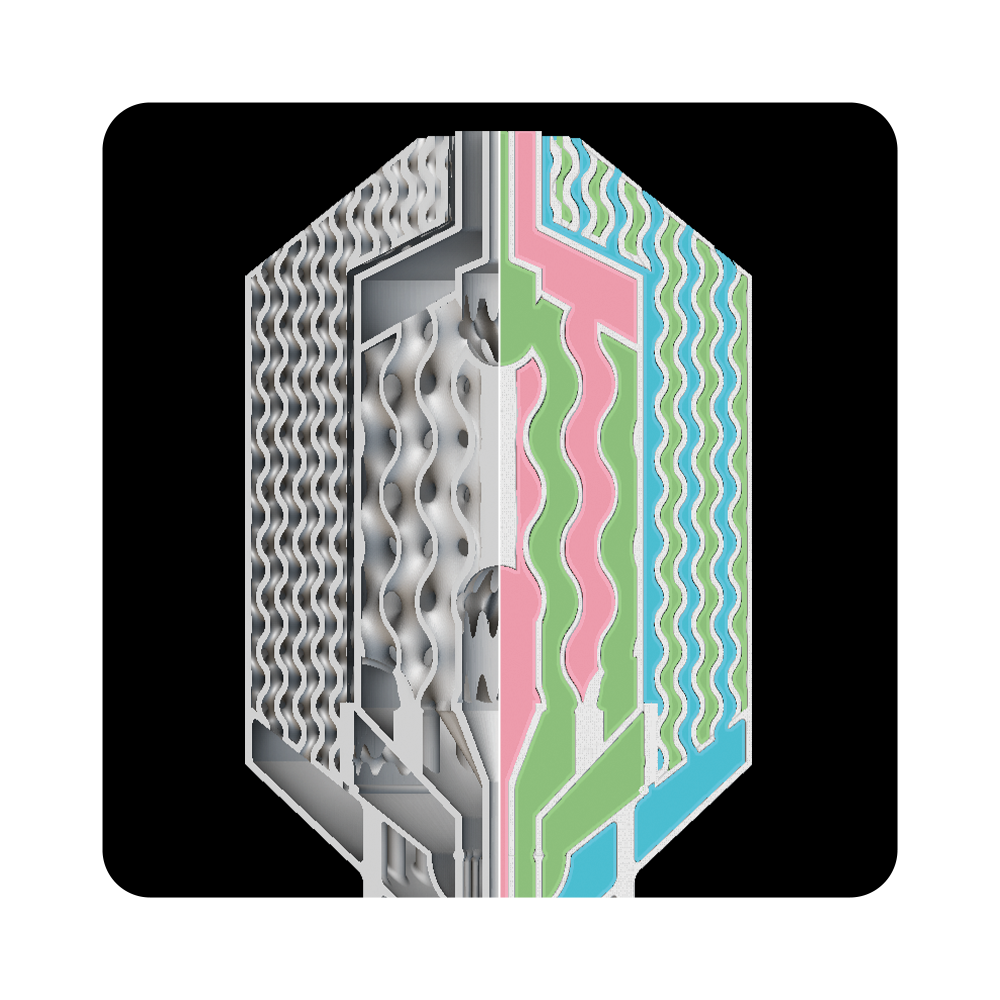
    Cutaway view of a metal 3D printed heat exchanger showing internal cooling channels
    • Geometry Machining Can’t Reach

      Metal AM can form internal channels and single-piece structures directly, without splitting the design into separate machinable pieces and joining them back together.

    • Test Before You Commit to Tooling

      Start with one prototype or a low-volume pilot batch before committing to molds, tooling, or mass production.

    • Design, Test, Redesign

      We use test results to revise the next build.

    Explore by Industry

    Semiconductor Semiconductor
    Semiconductor
    IndustrialIndustrial
    Industrial
    JewelryJewelry
    Jewelry
    DentalDental
    Dental
    MedicalMedical
    Medical

    Semiconductor

    Custom tooling, precision fixtures, and test fixtures for teams that need tight accuracy and process reliability.

    Ways to Work With FORGE

    We support both application development projects and equipment integration discussions. We also welcome metal machining specialists, AM service bureaus, and manufacturing partners who want to build metal AM capabilities with us.

    Engine prototypes

    Application Development & Prototyping

    Built for teams doing functional prototyping, R&D validation, and design iteration before deciding how to manufacture. We provide DfAM support, precision metal prototyping, and low-volume pilot runs.

    Equipment Integration

    Equipment Integration Assessment

    Built for companies with recurring demand that are planning to bring production in-house. We help evaluate application fit, alloy selection, and machine setup.

    Let's Get Your Project Started

    Please share the project you'd like to develop and any process challenges you're currently facing.
    Our technical team will get back to you as soon as possible after receiving your submission.

    *Enter country name to look up dial code

    How can we help you?

    By submitting this form, you agree to our Privacy Policy.

    ​

    FAQ

    1. Can I make just one metal prototype without committing to mass production?

    Yes. We support single-part functional prototypes and low-volume pilot production for product development, design verification, and early application testing. Send us your part details, and we will let you know what is feasible.

    2. Can FORGE help if I only have a product concept and no printable 3D file?

    Yes. If you have a product concept, functional requirements, or a preliminary CAD model, we can help with DfAM support, structural optimization, and printability assessment to move the design toward a metal AM prototype.

    3. What types of parts are better suited for metal AM than CNC machining or casting?

    Metal AM is especially useful for complex geometries, internal flow channels, lattice structures, consolidated assemblies, lightweight designs, frequent design iterations, and low-volume customization. If a part is simple, high-volume, or more cost-effective to machine, we will tell you that up front.

    4. Can internal flow channels, lattices, or complex geometries be printed directly in metal?

    Yes, but the design still needs to work within a few manufacturability constraints, including wall thickness, overhangs and supports, powder removal, build orientation, and post-processing. We will flag anything that needs adjusting during the review.

    5. Is metal AM suitable for low-volume manufacturing?

    Yes. Metal AM does not require traditional tooling or molds, which makes it useful for single-part prototypes, custom small batches, and low-volume pilot production. Final cost and manufacturing fit depend on batch size, part dimensions, material choice, and post-processing needs.

    6. What metal materials does FORGE currently support?

    We currently support CoCrMo and Ti-6Al-4V applications. Other materials, including copper, aluminum, and other high-thermal-conductivity alloys, can be evaluated against your part design and process requirements.